
How to start a homestay business in India: a step-by-step guide
Start a BNB business · October 2, 2026
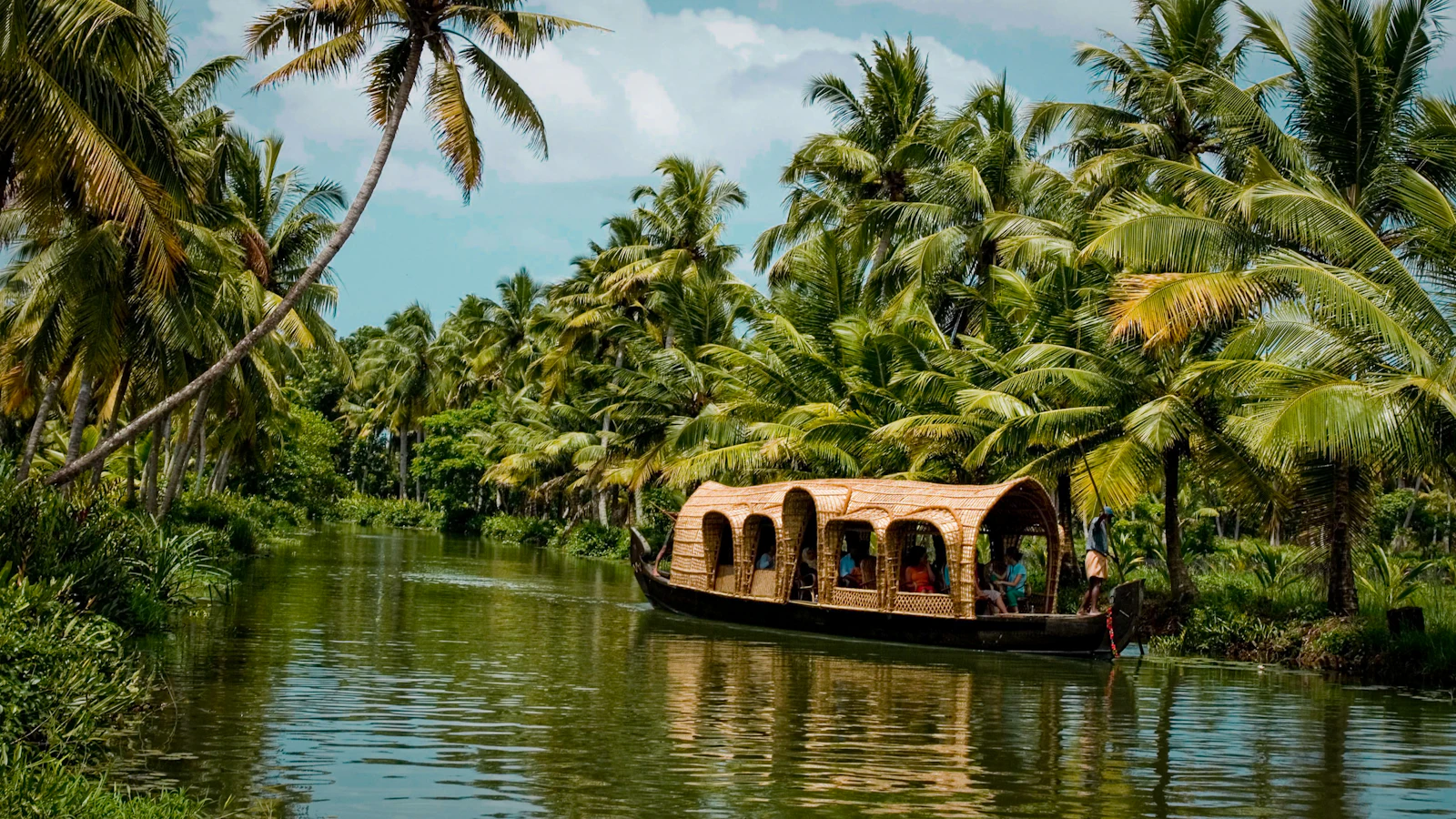
Location, registration, licences, pricing and your first guests: a practical checklist for new homestay owners.
A homestay lets you earn from spare rooms or a second home while giving travellers something hotels can't: local food, local knowledge and a real home. Across India, state governments actively encourage homestays, especially in hill, rural and heritage areas, and many offer registration schemes, classification and in some cases subsidies.
Here is how to go from idea to first guest.
1. Homestay, B&B or holiday home: know which you are
The words get used loosely, but regulators often treat them differently:
- Homestay: the owner's family lives in the house and rents out a few rooms to guests, usually with meals. Most state schemes require the owner to live on the premises.
- Bed and breakfast (B&B): similar, but some states allow a manager or caretaker to live there instead of the owner.
- Holiday home or villa rental: the whole property is rented out, with no owner living there. This often falls under different rules (sometimes as a guest house or lodging).
Which category you fall into decides which registration you need, so check before you buy furniture.
2. Choose your location and guest
Demand is strongest in places people already travel to: hill stations, beaches, backwaters, wildlife areas, pilgrimage towns, heritage cities and weekend getaways near big cities. Ask yourself:
- Who will stay with you? Families, couples, trekkers, remote workers, foreign tourists?
- What will they do nearby, and what is missing in the area today?
- Is there road access, mobile network and reliable water and power?
See our list of the best places to start a homestay in India for ideas.
3. Register your homestay
Registration is handled by the state tourism department, and each state has its own scheme, room limits and fees. The Ministry of Tourism's voluntary Incredible India Bed & Breakfast / Homestay scheme classifies homestays as Gold or Silver, and registered units are listed on the national NIDHI portal. We cover the main states in homestay registration rules state by state.
Common documents include proof of ownership, ID and address proof, photos of the rooms, a site plan and local body permissions. Depending on your state and size, you may also need:
- Police verification of the property and owner.
- Fire safety clearance for larger properties.
- FSSAI registration if you serve food to guests.
- Pollution control consent in some states.
4. Understand GST and income tax
Room rent is a taxable service. GST on accommodation priced below ₹7,500 per night is 5% (without input tax credit), and 18% at ₹7,500 and above, from 22 September 2025. Small homestays below the GST registration threshold may not need to register, but the rules change when you sell through online platforms. Read GST on homestays and room rentals and speak to a chartered accountant before you open bookings.
5. Prepare the property
Guests judge a homestay on a few basics: a clean, comfortable bed, a spotless bathroom with hot water, reliable Wi-Fi, good lighting and a warm welcome. Add the local touches that make your place memorable: home-cooked regional food, a sit-out with a view, books and games, and a printed guide to the area.
Safety basics matter too: a first-aid kit, a fire extinguisher, emergency numbers, secure locks and clear house rules.
6. Set your prices
Look at similar homestays nearby, then set:
- A base nightly rate per room or for the whole home.
- Weekend and festive-season rates.
- Discounts for weekly and monthly stays.
- A cleaning fee if you rent the whole home.
- A clear cancellation policy.
7. Get listed and get booked
List on the platforms your guests use, but don't depend on them entirely. Build direct bookings through a Google Business Profile, Instagram, WhatsApp Business and your own website. Our guide on how to get more homestay bookings in India covers each channel.
8. Keep guest records
Keep a register of every guest with ID details. If you host foreign nationals, you must submit Form C to the immigration authorities (through the Indian FRRO portal) within 24 hours of their arrival.
Thinking bigger?
Many homestay owners end up helping neighbours list their homes too. If you see that happening, you may be closer than you think to running your own regional booking brand. It takes less than ₹3 lakh to start your very own BNB platform, and our step-by-step plan shows how.